The Innovation of Necessity (Mashru):Silk on the Outside, Cotton on the Inside
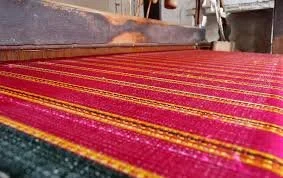
Part of the ArNe Heritage Series—exploring India’s endangered textiles one week at a time.
As a Product Manager, I obsess over "User Experience" (UX). I used to think "solving user pain points" was a modern tech concept.
Then I met Mashru, and I realized our ancestors were the original Product Managers.
The UX of the 19th Century I learned that the word Mashru means "Permitted." Historically, men were socially or religiously prohibited from wearing pure silk against their skin. But, like anyone else, they still wanted the luxury and shine of silk.
So, did the weavers just say "too bad"? No. They engineered a solution.
They created a satin-weave fabric that kept the glossy silk on the outside (for the world to see) but placed soft cotton on the inside (touching the skin). It solved the compliance rule and the comfort need in one go.
My Discovery I honestly didn't know this backstory until recently. I just thought Mashru was a pretty striped fabric. Knowing the "why" behind it makes me love it so much more. It’s not just cloth; it’s a clever engineering hack from 200 years ago.
The Reality Check Today, I see "Mashru-look" fabrics everywhere that feel slippery and hot. They are cheap polyester copies. They miss the whole point—the cotton interior was the feature, not a bug!
What’s Next? Mashru was woven for comfort. But our final stop in the "Royals" category takes us to a saree I grew up seeing at weddings, without ever realizing how rare the real thing had become.
Next Week: Endangered Thread #04—The Queen of Silks: Paithani.
Disclaimer: AI was used to fix grammar for this post