The Lost Comfort of Punjab: Khes: The Geometric Warmth We Forgot
Part of the ArNe Heritage Series—exploring India’s endangered textiles one week at a time.
This week, we are looking at something that feels like a warm hug: Khes.
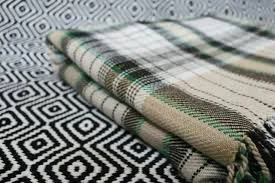
Before synthetic fleece blankets flooded our malls and homes, the winters of North India were warmed by this thick, double-woven cotton fabric.
The Geometric Warmth I was drawn to Khes because of its bold patterns. It reminds me of the Bauhaus design movement—clean lines, checks, and diamonds. But this wasn't created in a German art school; it was created in the villages of undivided Punjab centuries ago.
My Personal Reflection Khes represents a kind of "sustainable comfort" we have lost. It was durable enough to last a lifetime and often given as part of a bride's trousseau.
Today, we prioritize cheap, imported synthetics that pill and fade. Rediscovering Khes made me realize that we have traded character for convenience.
The Endangered Status The handloom Khes is virtually extinct in India, surviving mostly in small pockets or across the border in Pakistan. The intricate double-weave technique is being erased by powerlooms that print the pattern instead of weaving it.
What’s Next? From the thick cotton warmth of the north, we travel south to Karnataka, where a saree is defined by a peculiar red loop and a technique that joins two worlds.
Next Week: Endangered Thread #12—Ilkal: The Temple Border.