The Original Upcycling: Stitching Stories from Scraps
Part of the ArNe Heritage Series—exploring India’s endangered textiles one week at a time.
At ArNe Boutique, and in my business classes, we talk a lot about "Sustainability" and the "Circular Economy." It is the hottest topic in fashion right now.
But this week’s journey to Bengal taught me that sustainability isn't a modern invention. For the women of rural Bengal, it wasn't a trend—it was a way of life.
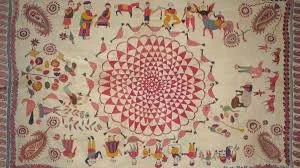
The Backstory: Upcycling Before It Was Cool Nakshi Kantha was born from the ultimate act of recycling. Women would take old, soft saris that were too worn to wear, layer them together, and bind them with thousands of tiny running stitches to create warm quilts.
But they didn't just stitch them together; they stitched their lives into them. "Naksha" means design. They illustrated village scenes, local legends, and personal dreams onto the cloth using colored threads pulled from the borders of the old saris.
My Personal Reflection I find this so moving. In a world where we throw away clothes after a season, these women saw value in the "broken" things. They took rags and turned them into heirlooms.
From a product perspective, it’s genius: extending the lifecycle of a material while adding emotional value. It reminds me that fashion doesn't have to be about the "newest" thing. It can be about giving a second life to what we already have.
The Reality Check While you see "Kantha stitch" on cheap jackets everywhere, the authentic Nakshi Kantha—the complex, narrative quilts that take months to complete—is being drowned out by simplified, commercial copies. We are losing the storytelling aspect for the sake of mass production.
Why We Must Save It Real Nakshi Kantha is a diary written in thread. To let it die is to erase the stories of the women who wrote them.
👉 [Contact us]
What’s Next? Kantha stitches personal stories. But in Murshidabad, the silk itself records history—courtiers, trains, and hookahs woven right into the border.
Next Week: Endangered Thread #09—Baluchari: The Woven History Book.
Transparency Note
At ArNe Boutique, we believe in using modern tools to preserve ancient stories. This post was written with heart, researched by humans, and enhanced by AI to help us tell these stories more effectively. All facts, sentiments, and edits are 100% ours.