The Silk of Sultans: The Fading Gold of Aurangabad: Why We Must Save Himroo
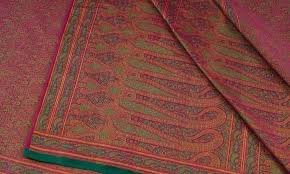
I’ll be honest—until recently, I couldn’t tell the difference between a Himroo shawl and a standard heavy brocade. I assumed they were all part of the same "rich silk" family.
But as I’ve dug deeper into our textile history this winter, I stumbled upon a statistic that stopped me in my tracks: There are fewer than 5 master weavers left who can create authentic Himroo.
I realized I wasn't just looking at a pretty fabric; I was looking at a ghost.
What I Learned: The Migration Story Himroo isn't just "fabric." It’s a story of survival. Centuries ago, when the capital moved to the Deccan, weavers from Banaras migrated to Aurangabad. They didn't have access to the pure gold threads of the north, so they innovated. They used cotton for the weft and silk for the warp, creating a "royal" look that was accessible and comfortable.
It was the original "affordable luxury"—a brilliant product adaptation born out of necessity.
My Takeaway We often take "heritage" for granted, assuming someone else is protecting it. But learning that this craft is literally hanging by a thread made me realize: if we don't buy it, they can't weave it. It’s that simple.
Why It Matters to Your Wardrobe Owning a Himroo piece feels different once you know the stakes. The texture is soft, heavy, and distinct—perfect for the cooler months. It’s not just a shawl; it’s a vote for the survival of the last five masters.
👉 Shop the Look: I am still curating authentic Himroo sources, but you can explore our [Curated Silk Collection] to find similar royal aesthetics and handwoven luxury.
What’s Next? Himroo taught me about adaptation. But the next textile in our journey taught me about patience—a level of patience I can barely comprehend.
Next Week: Endangered Thread #02—The King of Ikat: Patan Patola.
Disclosure: AI was used to ensure gramatic accuracy.